Chip Happens: DIY Wood Repair!
Splinters, Chips, and Cracks, Oh My!
Wooden furniture and fixtures are a beautiful addition to any home, but they can be prone to damage over time. Splinters, chips, and cracks can happen to even the most carefully crafted wood pieces. But don’t panic! DIY wood repair is here to save the day.
Splinters can be painful and unsightly, but they are relatively easy to fix. Start by carefully removing any loose wood fragments with a pair of pliers or tweezers. Use sandpaper to smooth the area and prevent any further splintering. You can also apply a small amount of wood glue to the affected area to seal it and prevent further damage.
Chips and cracks can be a bit more challenging to repair, but it’s still possible to do it yourself. For small chips, use wood filler to fill in the damaged area. Let it dry completely before sanding it down until it’s smooth. For larger chips and cracks, you may need to use a wood dowel and wood glue to create a sturdy repair. Simply cut the dowel to size and apply wood glue to both the dowel and the damaged area. Insert the dowel and clamp it in place until the glue dries.
For more extensive damage, consider using a wood epoxy. Epoxy is a strong adhesive that can fill in large cracks and holes, and even rebuild missing pieces. Mix the epoxy according to the instructions and apply it to the damaged area. Use a putty knife to smooth it out and let it dry completely before sanding it down.
In some cases, you may need to replace a damaged piece of wood entirely. This can be done by carefully removing the damaged section and cutting a new piece to size. Use wood glue and clamps to attach the new piece and let it dry completely before sanding and finishing.
No matter what type of damage your wood has sustained, DIY wood repair can help you restore it to its former glory. With a few simple tools and some patience, you can fix splinters, chips, and cracks like a pro. So don’t panic when chip happens – grab your tools and get to work!
No Need to Panic: DIY Wood Repair to the Rescue
We’ve all been there before – you accidentally drop something on your wooden floor or furniture, and suddenly there’s a chip or crack staring back at you. It’s easy to panic and think that the damage is irreversible, but fear not! With a little bit of DIY wood repair, you can fix those chips and cracks in no time.
The first step is to assess the damage. If it’s a small chip or crack, you can probably fix it yourself. However, if it’s a large crack or the wood is severely damaged, it may be best to call in a professional. Once you’ve determined that you can handle the repair yourself, it’s time to gather your supplies.
You’ll need some wood filler, sandpaper, a putty knife, and a stain or paint that matches the color of your wood. If you’re unsure about the exact color of your wood, take a piece of it with you to the hardware store and ask for help finding a matching stain or paint.
Start by cleaning the damaged area of any debris or dust. Then, use your putty knife to apply the wood filler to the chip or crack, making sure to fill it completely. Let the filler dry completely, which may take a few hours depending on the size of the repair.
Once the filler is dry, use your sandpaper to smooth out the surface. Depending on the size of the repair, you may need to use a finer grit sandpaper to achieve a smoother finish. Be sure to sand in the direction of the wood grain to avoid causing any further damage.
After sanding, it’s time to apply the stain or paint to match the color of your wood. If you’re using a stain, be sure to apply it evenly and allow it to dry completely. If you’re using paint, use a brush to apply it in thin coats, letting each coat dry before applying the next.
And there you have it – a repaired chip or crack in your wood that looks as good as new! With a little bit of patience and the right tools, you can easily handle DIY wood repair. So the next time chip happens, don’t panic – just grab your supplies and get to work.
Tools of the Trade: What You’ll Need for Chip Happens
If you’re a DIY enthusiast, you know that things can go wrong when you’re working on a project. You might accidentally drop a tool on your wood surface, causing a chip or a dent. Or, you might notice a crack on your favorite piece of furniture. Whatever the reason may be, the good news is that fixing these problems is easier than you think. With the right tools, you can repair your wood surfaces and make them look as good as new.
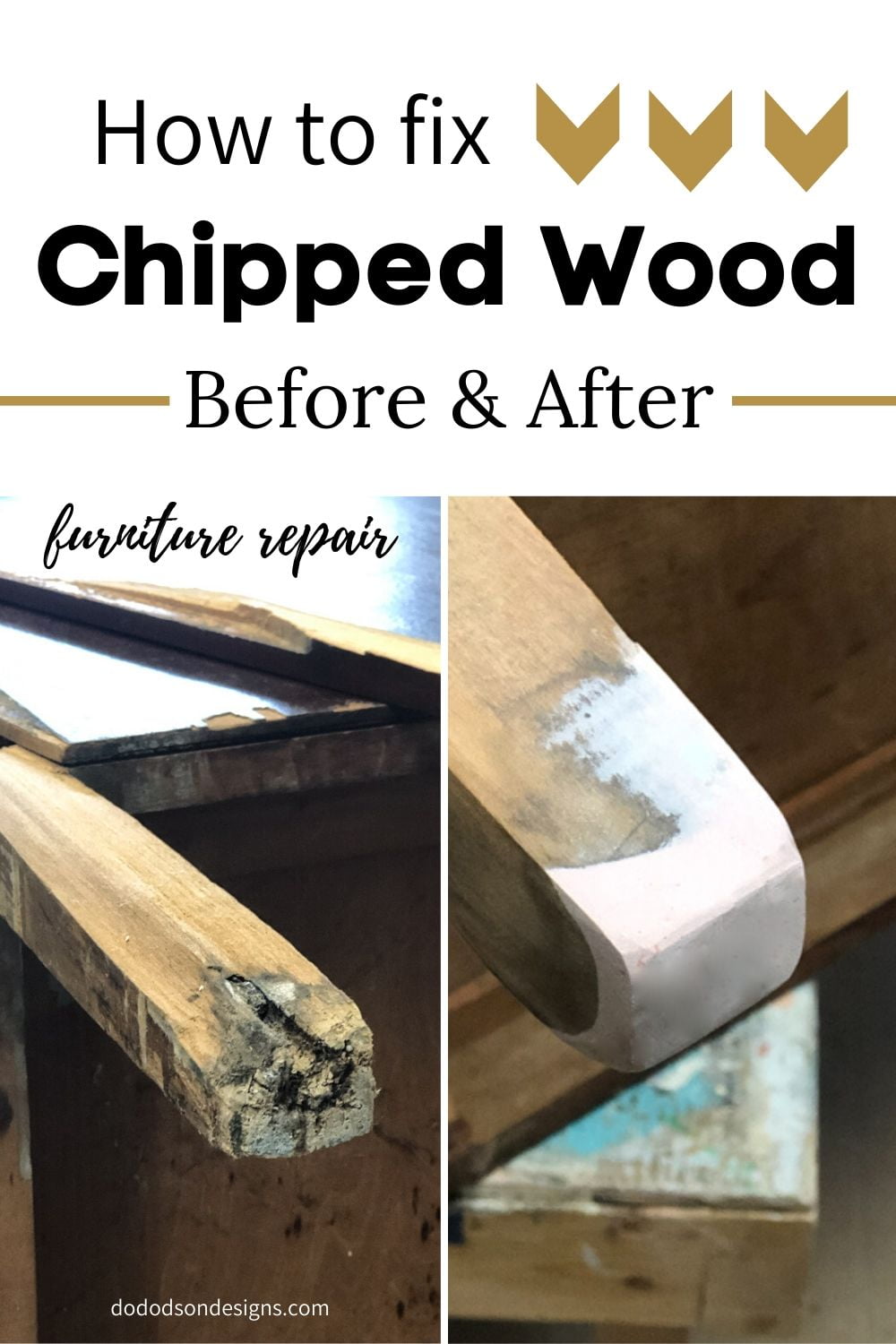
Here are the tools you’ll need for chip happens:
1. Wood Filler – Wood filler is a putty-like substance that you can use to fill in cracks, chips, and dents in your wood surfaces. It’s easy to use and comes in a variety of colors to match the color of your wood. When choosing a wood filler, ensure that you select one that is appropriate for the type of wood you’re working with.
2. Sandpaper – Sandpaper is essential for smoothing out rough edges and surfaces on your wood. It comes in different grits, ranging from coarse to fine. Coarse grits are used for removing rough surfaces, while fine grits are used for polishing and smoothing out the surface.
3. Putty Knife – A putty knife is a tool that you can use to apply and remove wood filler. It has a flat blade that is perfect for spreading the filler evenly on the surface.
4. Paintbrush – A paintbrush is useful for applying wood stain or paint to your wood surface. It’s also handy for applying a protective sealant to your repaired surface.
5. Clamps – If you’re fixing a large crack or split, you’ll need clamps to hold the wood in place while the glue dries. If you don’t have clamps, you can use heavy objects like books or bricks to hold the wood in place.
6. Wood Glue – Wood glue is essential for repairing splits and cracks in your wood. It’s strong and durable and can hold the wood together even under pressure.
7. Protective Sealant – A protective sealant is a clear coating that you can apply to your wood surface to protect it from moisture, dust, and dirt. It’s essential to apply a sealant after you’ve repaired your wood surface to ensure that it doesn’t get damaged again in the future.
Now that you know what tools you’ll need, you’re ready to fix your wood woes. Remember, DIY wood repair is easy and fun. So, grab your tools, put on some music, and get to work!
Step-by-Step Guide to Fixing Your Wood Woes
Wood is a wonderful material that can last for centuries with proper care and maintenance. However, even the most well-cared-for wood can still experience the occasional chip, crack, or splinter. Fortunately, with a little know-how and some basic tools, you can fix most minor wood damage yourself. In this step-by-step guide, we’ll walk you through the process of fixing your wood woes.
Step 1: Assess the Damage
Before you begin any repairs, you need to assess the damage to your wood. Look closely at the affected area and determine the extent of the damage. Is it a small chip or crack, or is it a larger area that needs repair? Once you understand the damage, you can move on to the next step.
Step 2: Gather Your Materials
To repair your wood, you’ll need a few basic tools and materials. Here’s what you’ll need:
– Sandpaper: Choose a grit that’s appropriate for the level of damage to your wood.
– Wood filler: This is a putty-like substance that you’ll use to fill in any holes or cracks in your wood.
– Putty knife: You’ll use this to apply the wood filler.
– Paint or stain: If you’re repairing a visible area of wood, you’ll need to match the paint or stain to the existing color.
– Brush or applicator: Use this to apply the paint or stain.
Step 3: Sand the Area
Using your sandpaper, sand the damaged area until it’s smooth and even. Make sure to wipe away any dust or debris with a clean cloth.
Step 4: Apply Wood Filler
Using your putty knife, apply a small amount of wood filler to the damaged area. Smooth it out so it’s even with the surrounding wood. Let it dry completely, according to the manufacturer’s instructions.
Step 5: Sand Again
Once the wood filler is dry, sand the repaired area again until it’s smooth and even. Wipe away any dust or debris with a clean cloth.
Step 6: Paint or Stain
If the repaired area is visible, you’ll want to paint or stain it to match the surrounding wood. Use a brush or applicator to apply the paint or stain, and let it dry completely according to the manufacturer’s instructions.
Step 7: Enjoy Your Repaired Wood
Congratulations! You’ve successfully repaired your wood. Now you can enjoy your beautiful, functional wood once again.
In conclusion, DIY wood repair is a simple and cost-effective way to keep your wood in great shape. By following these simple steps, you can fix most minor wood damage yourself and save money on professional repairs. With a little practice, you’ll become a wood repair expert in no time! So the next time chip happens, don’t panic – just follow these simple steps and fix it yourself.


Comments
Post a Comment